
• Al Durra Tower, next to Al Fardan Center, 8th Floor, Clinic No. 806 - Sharjah
  • Sat - Thu: 9:00 am - 9:00 pm, Fri: Closed

Book an Appointment

Your life is waiting. Fast, long-lasting relief is nearby.


Cosmetic Vagina

What is Vaginoplasty? Is it safe for everyone?

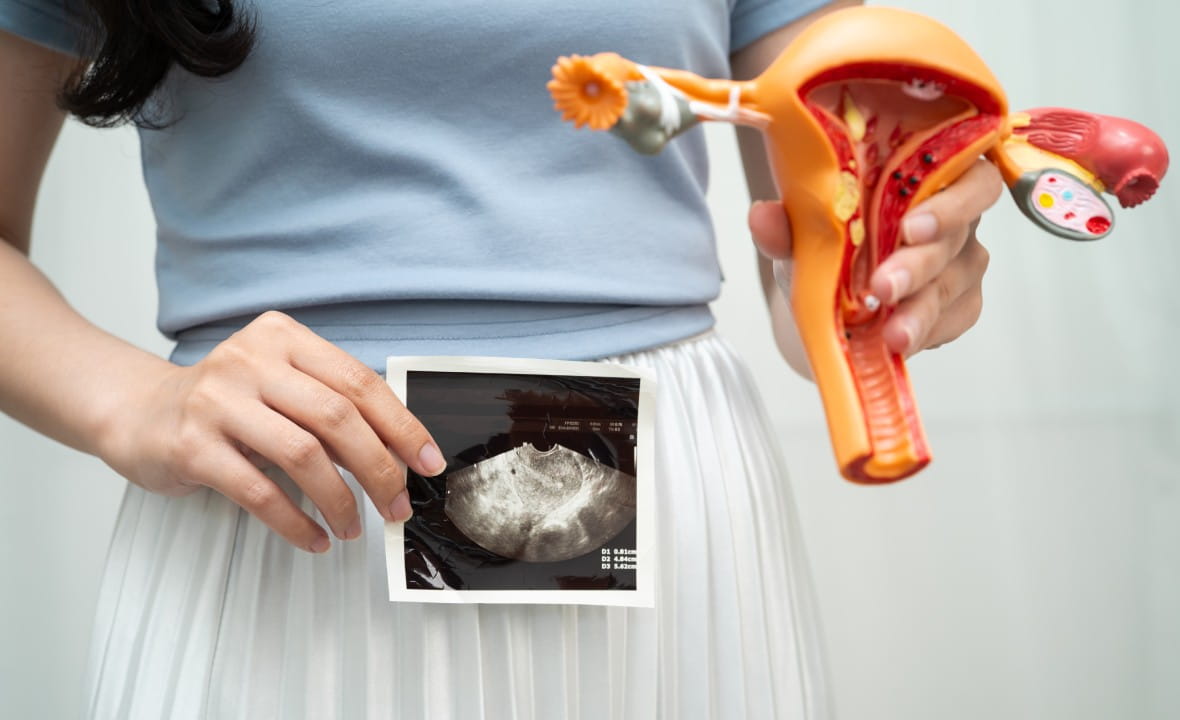
Vaginoplasty is an advanced gynecological surgical procedure designed to restore, tighten, and reconstruct the structure, strength, and functional integrity of the vaginal canal and surrounding supportive tissues. It addresses both medical and cosmetic concerns, helping women regain physical comfort, improved muscle tone, enhanced pelvic support, and renewed self confidence. This procedure is often considered after changes resulting from childbirth, aging, menopause, hormonal fluctuations, pelvic floor weakness, or previous vaginal trauma or surgery. In addition to improving vaginal tightness, vaginoplasty may enhance overall vaginal function, support pelvic organs, and contribute to better quality of life and intimate well being. When performed by a qualified and experienced specialist following proper medical evaluation, vaginoplasty is regarded as a safe, effective, and long-lasting treatment option tailored to the individual needs of each woman.
Vaginoplasty is generally safe and highly effective when performed by an experienced and qualified specialist following a thorough medical evaluation. Under the expert care of Dr. Zainab Alazzawi, patient safety, precision, and individualized treatment planning are always the top priorities. However, vaginoplasty may not be suitable for every woman. Patients who are pregnant, have active vaginal or pelvic infections, uncontrolled medical conditions such as diabetes or bleeding disorders, or those planning future vaginal childbirth in the near term may be advised to postpone or reconsider the procedure.

Dr. Zainab conducts a comprehensive consultation and physical examination, carefully reviewing medical history, current health status, and personal goals. Clear discussion of expectations, benefits, and potential risks ensures that every patient receives honest guidance and the most appropriate care. This personalized approach allows Dr. Zainab to determine whether vaginoplasty is the safest and most effective option for each individual, ensuring optimal outcomes and long-term satisfaction.

Why Is Vaginoplasty Performed?

Women may consider vaginoplasty for several medical and personal reasons, including:

  • Vaginal laxity after natural childbirth.
  • Reduced muscle tone due to aging or menopause.
  • Pelvic floor weakness, which may contribute to discomfort or reduced control.
  • Decreased sexual satisfaction related to vaginal looseness.
  • Reconstruction needs after trauma or previous surgery.
  • Improved confidence and quality of life.

The procedure focuses on tightening the vaginal muscles and removing excess tissue to restore a more youthful and functional anatomy.

Vaginoplasty Procedure, Recovery, and Benefits

How Is Vaginoplasty Performed?

Vaginoplasty is performed under local or general anesthesia, depending on the patient’s needs and the extent of the procedure. During surgery, the vaginal muscles are carefully tightened to restore strength and support, and excess or stretched vaginal lining may be removed to improve tone and structure. The supporting tissues of the vaginal wall are reconstructed to enhance firmness and durability, and in some cases, pelvic floor repair is included to address muscle weakness or prolapse. The procedure typically takes one to two hours and is usually completed as a day care surgery, allowing most patients to return home the same day.

Recovery and Healing Process

Recovery after vaginoplasty is gradual and varies depending on individual healing and the complexity of the procedure. Mild swelling, tightness, or discomfort is common during the first few days and is usually well controlled with prescribed medications. Patients are advised to limit physical activity initially, avoid heavy lifting, and refrain from sexual intercourse for four to six weeks to allow proper healing. Most women can resume light daily activities within one to two weeks, with steady improvement over time. Strictly following post-procedure instructions and attending follow-up visits are essential for safe healing and optimal results.

Benefits and Long-Term Outcomes of Vaginoplasty

Vaginoplasty offers both functional and aesthetic benefits. It improves vaginal tightness and muscle tone, enhances comfort during daily activities and intimacy, and provides better pelvic floor support. Many women experience increased confidence, improved body image, and an overall better quality of life following the procedure. When combined with healthy lifestyle habits and proper medical care, the results of vaginoplasty are long lasting and contribute to sustained pelvic and vaginal health.

Surgical vs. Non-Surgical Vaginal Treatments with Dr. Zainab Al-Azzawi

At Dr. Zainab Al-Azzawi Clinic, vaginal rejuvenation treatments are tailored to each woman’s needs, comfort, and expectations. Both surgical and non-surgical options are available, and the most suitable approach is selected after a comprehensive evaluation.

Non-Surgical Vaginal Treatments

Non-surgical options, such as advanced laser therapies , are ideal for mild to moderate vaginal laxity. These treatments stimulate collagen production to improve tone and elasticity. They are minimally invasive, require little to no downtime, and offer gradual improvement. However, multiple sessions and maintenance may be needed.

Surgical Vaginoplasty

For moderate to severe laxity, Dr. Zainab may recommend surgical vaginoplasty. This procedure tightens vaginal muscles and reconstructs supportive tissues, providing more significant and long lasting results. While it requires a recovery period, the outcomes are more permanent compared to non-surgical treatments.

Your Questions Answered

Vaginoplasty is a surgical procedure that tightens and reconstructs the vaginal canal and surrounding tissues. It improves vaginal tone and function by strengthening muscles and removing excess tissue.
Ideal candidates are women experiencing vaginal laxity after childbirth, aging, hormonal changes, or pelvic floor weakness. It is also suitable for women seeking improved comfort and confidence during intimacy.
Non-surgical treatments (laser or radiofrequency) are minimally invasive, require little downtime, and suit mild to moderate laxity. Surgical vaginoplasty provides stronger and longer-lasting results for moderate to severe laxity but involves a recovery period.
Most patients can resume light daily activities within 1–2 weeks. Full healing takes 4–6 weeks, and sexual activity should be avoided during this period to ensure proper recovery.
Results are long-lasting, especially when combined with healthy lifestyle habits. However, natural aging, future childbirth, or significant weight changes may affect outcomes over time.