
About Pregnancy follow-up service
How Pregnancy Follow-Up Is Managed ?
Pregnancy follow-up is a comprehensive process that includes regular evaluation of maternal health, fetal development, and potential complications. Our approach emphasizes proactive care to ensure both mother and baby thrive. Key components include:
1. Routine Medical Assessments
At each prenatal visit, the healthcare team evaluates maternal vital signs, weight gain, and overall health, while tracking pregnancy progression. Routine assessments help detect conditions such as:
- Gestational diabetes – monitored through blood glucose testing
- Hypertension or preeclampsia – identified via blood pressure and urine analysis
- Anemia or nutritional deficiencies – detected through blood tests
Early detection allows timely intervention, reducing risks and supporting healthier outcomes.
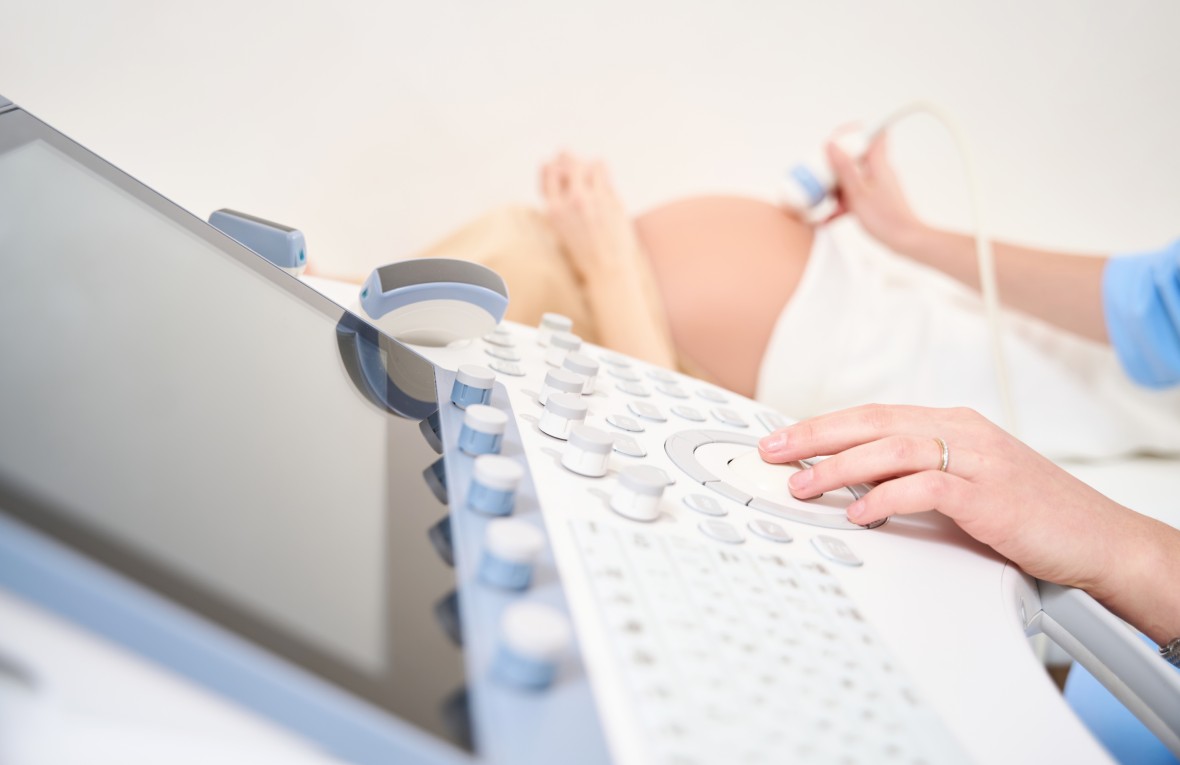
2. Ultrasound and Fetal Monitoring
Ultrasound examinations are an essential part of pregnancy follow-up. These scans assess:
- Fetal growth and weight estimation.
- Organ development and structural health.
- Placenta location and amniotic fluid levels.
- Fetal position and movement patterns.
Advanced imaging and Doppler studies are used when necessary to evaluate fetal circulation and well-being, ensuring early identification of potential concerns.
3. Laboratory Tests and Prenatal Screenings
Laboratory tests are performed at multiple stages of pregnancy to monitor maternal and fetal health, including:
- Hormone levels for pregnancy progression
- Blood sugar and lipid profiles to detect gestational diabetes
- Iron, vitamin B12, and folate levels to prevent anemia
- Screening for infections or immunity status (e.g., rubella, hepatitis, HIV)
These tests allow healthcare providers to tailor care plans and nutritional advice, addressing any deficiencies or risks proactively.
4. Nutritional and Lifestyle Guidance
Nutrition and lifestyle play a crucial role in a healthy pregnancy. Our team provides personalized guidance on diet, vitamin supplementation, physical activity, and safe daily routines. This includes:
- Maintaining balanced macronutrients and essential vitamins
- Guidance on hydration and weight management
- Safe exercise routines to support circulation, flexibility, and core strength
- Education on sleep, stress management, and work-life balance
Are Regular Pregnancy Follow-Ups Important?
Absolutely. Regular follow-up visits are essential for:
- Monitoring fetal growth and development through physical exams, ultrasounds, and screenings.
- Detecting and managing pregnancy complications early, such as gestational diabetes, hypertension, or preterm labor risk.
- Providing ongoing medical guidance and reassurance to reduce anxiety and empower mothers.
- Preparing for labor and delivery, including birth planning, risk assessment, and discussing pain management options.
Studies show that consistent prenatal care significantly reduces pregnancy-related complications, supports healthier births, and ensures both mother and baby are in optimal condition at delivery.
Preparing for a Healthy Pregnancy Journey
Proactive preparation and daily care are essential to a safe and fulfilling pregnancy. Recommendations include:
- Attend all scheduled prenatal appointments for ongoing evaluation.
- Follow medical guidance and prescribed supplements for maternal and fetal health.
- Maintain a balanced diet and proper hydration to support fetal development.
- Engage in safe physical activity as advised by your doctor to promote circulation and well-being.
- Track and report symptoms or concerns promptly to your healthcare provider.
Consistent pregnancy follow-up not only ensures medical safety but also provides emotional confidence, empowering mothers to approach childbirth with reassurance and peace of mind.